

Blog
Spirulina for Post-Surgery Recovery: Supporting Healing, Nutrition, and Strength After an Operation
Learn how Spirulina may help support recovery after surgery through its unique nutritional profile.
HEALTH BENEFITSRESEARCH & SCIENCE
Recovering from surgery requires more than rest alone. Proper nutrition plays a crucial role in wound healing, tissue repair, energy restoration, and immune support. Learn how Spirulina may help support recovery after surgery through its unique nutritional profile.
Why Nutrition Matters After Surgery
Surgery places significant demands on the body.
During recovery, the body must work hard to:
Repair damaged tissues
Heal surgical wounds
Replace lost blood cells
Fight potential infections
Restore strength and energy
These processes require additional protein, vitamins, minerals, and antioxidants.
However, many patients experience reduced appetite, digestive discomfort, or limited food intake during recovery, making it difficult to obtain all the nutrients needed for optimal healing.
This is where nutrient-dense foods and supplements such as Spirulina may provide valuable support.
What Is Spirulina?
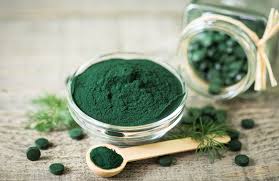
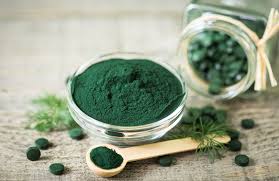
Spirulina is a blue-green microalgae known for its exceptional nutritional value.
It contains:
60–70% high-quality protein
Essential amino acids
Iron
B vitamins
Antioxidants
Magnesium
Beta-carotene
Important minerals
Because it delivers a broad range of nutrients in a small serving, Spirulina has become a popular supplement for individuals seeking additional nutritional support.
How Spirulina May Support Post-Surgery Recovery
1. Provides Protein for Tissue Repair
Protein is one of the most important nutrients needed during recovery.
The body uses protein to:
Build new tissue
Repair surgical wounds
Support muscle maintenance
Promote collagen production
After surgery, protein requirements often increase significantly.
Spirulina contains a high concentration of easily digestible protein, making it a convenient source of nutritional support during recovery.
2. Supports Wound Healing
Successful wound healing depends on a steady supply of amino acids, vitamins, and minerals.
Spirulina provides several nutrients involved in tissue repair, including:
Essential amino acids
Iron
Zinc
Antioxidant compounds
These nutrients help support the body's natural healing processes.
3. Helps Restore Energy Levels
Feeling tired after surgery is common.
Factors such as blood loss, reduced activity, stress, and healing demands can contribute to fatigue.
Spirulina contains:
Iron
Protein
B vitamins
Essential nutrients
These components help support energy metabolism and overall recovery.
4. Supports Healthy Immune Function
A healthy immune system is essential after surgery.
The body relies on immune cells to protect healing tissues and maintain recovery.
Spirulina contains antioxidants and nutrients that help support normal immune function and overall wellness.
5. Helps Manage Oxidative Stress
Surgical procedures can increase oxidative stress within the body.
Oxidative stress occurs when free radicals accumulate faster than the body's antioxidant defenses can manage them.
Spirulina contains powerful antioxidants such as:
Phycocyanin
Beta-carotene
Superoxide dismutase (SOD)
These compounds help protect cells from oxidative damage and support recovery.
Spirulina and Recovery from Blood Loss
Some surgical procedures involve blood loss, which can affect iron levels and contribute to post-operative fatigue.
Spirulina naturally contains iron and nutrients involved in red blood cell production, making it a useful nutritional addition for individuals focusing on recovery and rebuilding strength.
Additional Benefits During Recovery
Supports Nutritional Intake
When appetite is reduced, nutrient-dense foods become especially important.
Supports Muscle Maintenance
Protein and amino acids help preserve muscle tissue during periods of reduced activity.
Supports Overall Wellness
The combination of vitamins, minerals, and antioxidants contributes to overall recovery and health.
Frequently Asked Questions
Can Spirulina help after surgery?
Spirulina provides protein, iron, antioxidants, and essential nutrients that may support recovery when included as part of a balanced diet and healthcare plan.
Is Spirulina good for wound healing?
Spirulina contains nutrients involved in tissue repair and collagen production, both of which play important roles in wound healing.
When can I take Spirulina after surgery?
This depends on the type of surgery and individual health status. Always follow your healthcare provider's recommendations before starting any supplement.
Is Spirulina a replacement for medical treatment?
No. Spirulina should be considered a nutritional supplement and not a substitute for professional medical care or prescribed treatment.
Final Thoughts
Recovery after surgery is a time when the body requires additional nutritional support to heal, rebuild, and regain strength.
Spirulina offers a concentrated source of protein, iron, antioxidants, vitamins, and essential nutrients that may help support wound healing, immune function, energy production, and overall recovery.
While it should not replace medical advice or treatment, Spirulina can be a valuable addition to a balanced post-surgery nutrition plan when approved by a healthcare professional.
Disclaimer
This article is intended for educational purposes only and should not be considered medical advice. Always consult your surgeon, physician, or healthcare provider before taking supplements during post-operative recovery.
Take the next step towards everyday wellness with SpiraVeda.
support@spiraveda.com
+91 78947 29980
SpiraVeda
HIG-277, K5, Lane 6,
Kalinga Vihar, Bhubaneswar. Pin : 751019
Newsletter sign-up
© 2026 SpiraVeda is a brand owned and marketed by Albiotechnium Private Limited