

Blog
Write your text here...
Spirulina for Malnutrition: How This Nutrient-Dense Superfood Can Help Improve Nutrition Naturally
Discover how Spirulina's unique nutrient profile may help support healthy growth, recovery, and overall well-being.
HEALTH BENEFITS
Malnutrition affects millions of people worldwide, but sometimes the solution isn't just more food—it's better nutrition. Discover how Spirulina's unique nutrient profile may help support healthy growth, recovery, and overall well-being.
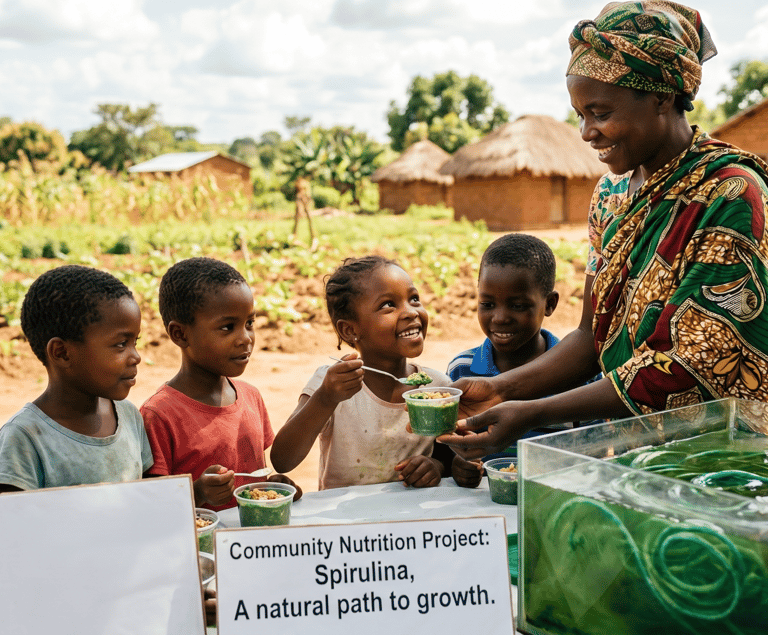
Why Malnutrition Remains a Global Health Challenge
When people hear the word "malnutrition," they often think of hunger. However, malnutrition is not always about a lack of food. In many cases, it results from a lack of essential nutrients such as protein, iron, vitamins, and minerals that the body needs to grow, develop, and function properly.
Children are particularly vulnerable. Poor nutrition during childhood can affect physical growth, learning ability, immunity, and long-term health. Adults suffering from nutritional deficiencies may experience fatigue, weakened immunity, muscle loss, and reduced productivity.
This is why nutrition experts around the world continue searching for sustainable, affordable, and nutrient-rich food sources. One natural food that has gained significant attention is Spirulina.
What Is Spirulina?
Spirulina is a blue-green microalgae that has been consumed for centuries due to its exceptional nutritional value. Despite its tiny size, Spirulina contains an impressive concentration of nutrients that many conventional foods struggle to provide in similar amounts.
A typical serving of Spirulina contains:
High-quality plant protein
Iron
Beta-carotene
Essential amino acids
B vitamins
Antioxidants
Essential minerals
Because of this unique nutritional profile, Spirulina is often referred to as one of nature's most nutrient-dense superfoods.
How Spirulina May Help Address Malnutrition
1. A Rich Source of High-Quality Protein
Protein is essential for growth, muscle development, tissue repair, and immune function.
One of the most remarkable features of Spirulina is that it contains approximately 60–70% protein by dry weight. Even more importantly, it provides all essential amino acids required by the human body.
For individuals with limited access to protein-rich foods, Spirulina can serve as a valuable nutritional supplement that helps support healthy growth and recovery.
2. Supports Healthy Iron Levels
Iron deficiency is one of the most common nutritional problems worldwide and a major cause of anemia.
People with low iron levels may experience:
Fatigue
Weakness
Poor concentration
Reduced immunity
Spirulina naturally contains iron in a form that is generally well absorbed by the body. Regular consumption as part of a balanced diet may help support healthy iron levels and overall vitality.
3. Provides Important Vitamins and Antioxidants
Good nutrition goes beyond protein alone.
Spirulina contains beta-carotene, which the body converts into Vitamin A. This nutrient plays an important role in:
Vision health
Immune function
Skin health
Normal growth and development
In addition, Spirulina contains powerful antioxidants that help protect the body's cells from oxidative stress and support overall wellness.
4. May Support Immune Health During Recovery
Malnutrition can weaken the immune system, making the body more vulnerable to infections and illness.
The combination of protein, vitamins, minerals, and antioxidants found in Spirulina may help support normal immune function and assist the body during periods of nutritional recovery.
While Spirulina is not a medical treatment, it can be a useful addition to a comprehensive nutrition plan.
Why Spirulina Is Easy for the Body to Use?
One challenge in addressing malnutrition is ensuring that nutrients are not only consumed but also absorbed effectively.
Spirulina has a soft cell structure that allows many of its nutrients to be readily digested and utilized by the body. This makes it a practical option for people who need concentrated nutrition in smaller quantities.
Its nutrient density means that even a small serving can provide a meaningful nutritional boost.
Spirulina and Child Nutrition
Children require adequate nutrition to support healthy growth, learning, and development.
Researchers and nutrition programs have explored Spirulina as a supplemental food because it provides multiple essential nutrients in a compact form.
Potential nutritional benefits for growing children include:
Protein for healthy growth
Iron for cognitive development
Beta-carotene for vision and immunity
Essential nutrients for overall well-being
Parents should always consult a healthcare professional before introducing any supplement into a child's diet.
A Sustainable Solution for Community Nutrition
One reason Spirulina has attracted global interest is its sustainability.
Unlike many conventional food sources, Spirulina can be cultivated with relatively low land and water requirements. It can also be produced locally in suitable environments, helping communities create nutrient-rich food sources closer to home.
This combination of nutritional value and sustainability makes Spirulina a promising option for future nutrition initiatives.
Additional Benefits of Spirulina
Beyond helping support nutritional needs, Spirulina may also contribute to:
Increased Energy Levels
Its nutrient-rich composition may help support natural energy production.
Better Overall Wellness
Essential vitamins, minerals, and antioxidants contribute to general health and vitality.
Healthy Growth and Development
Protein and micronutrients support normal growth throughout childhood and adolescence.
Nutritional Support During Recovery
Spirulina can be incorporated into balanced diets designed to improve nutritional status.
Frequently Asked Questions
Can Spirulina help with malnutrition?
Spirulina provides protein, iron, vitamins, and antioxidants that may help support nutritional recovery when used as part of a balanced diet.
Is Spirulina good for undernourished children?
Spirulina has been explored in various nutrition programs worldwide because of its nutrient density. Parents should consult healthcare professionals before giving supplements to children.
How much protein does Spirulina contain?
Spirulina typically contains between 60% and 70% protein by dry weight, making it one of the richest natural protein sources available.
Why is Spirulina considered a superfood?
Spirulina contains a high concentration of protein, vitamins, minerals, antioxidants, and essential nutrients in a relatively small serving size.
Final Thoughts
Malnutrition is not simply a matter of insufficient food—it is often a lack of essential nutrients that the body needs to thrive.
Spirulina stands out because it delivers protein, iron, antioxidants, vitamins, and other important nutrients in a highly concentrated and sustainable form. While it is not a replacement for a balanced diet or professional medical care, it can be a valuable nutritional supplement that supports healthy growth, recovery, and overall wellness.
As awareness of nutrition continues to grow, Spirulina is emerging as one of the most promising natural foods for supporting better health in both individuals and communities.
Disclaimer
This article is intended for educational purposes only and should not be considered medical advice. Consult a healthcare professional before making dietary changes or introducing new supplements, especially for children or individuals with existing health conditions.
Take the next step towards everyday wellness with SpiraVeda.
support@spiraveda.com
+91 78947 29980
SpiraVeda
HIG-277, K5, Lane 6,
Kalinga Vihar, Bhubaneswar. Pin : 751019
Newsletter sign-up
© 2026 SpiraVeda is a brand owned and marketed by Albiotechnium Private Limited