

Blog
Spirulina for Male Fertility: Can This Superfood Support Sperm Health Naturally?
Spirulina's unique nutrient profile may help support sperm quality, reproductive health, and overall male wellness.
HEALTH BENEFITS
When couples struggle to conceive, the conversation often focuses on female reproductive health. However, studies show that male-related factors contribute to nearly half of all infertility cases worldwide. Male fertility is influenced by many factors, including nutrition, lifestyle, oxidative stress, and overall health. Discover how Spirulina's unique nutrient profile may help support sperm quality, reproductive health, and overall male wellness.
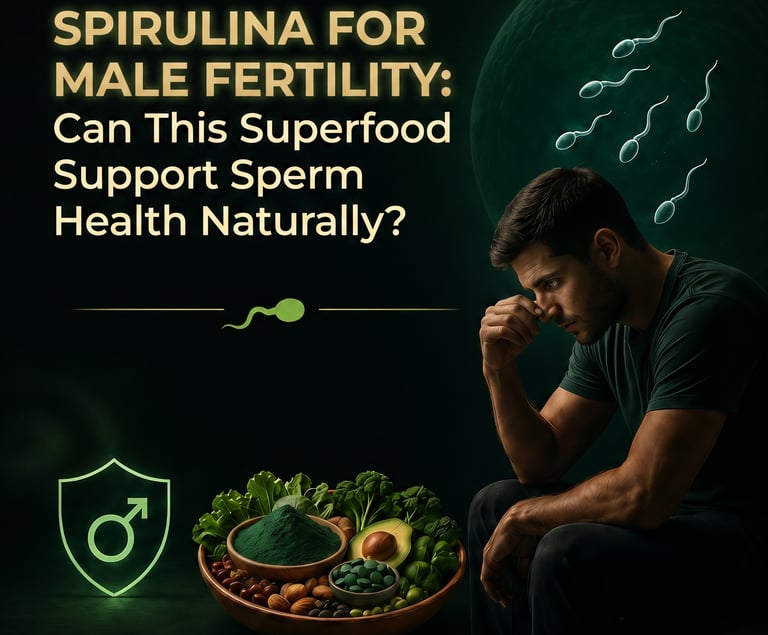
When couples struggle to conceive, the conversation often focuses on female reproductive health. However, studies show that male-related factors contribute to nearly half of all infertility cases worldwide.
Male fertility depends on several key factors, including:
Healthy sperm count
Strong sperm motility (movement)
Normal sperm morphology (shape)
Healthy DNA integrity
Balanced hormone levels
Modern lifestyle factors such as stress, poor nutrition, environmental pollution, smoking, and exposure to toxins can negatively impact these important fertility markers.
This is why many men are exploring nutritional approaches that may help support reproductive health naturally. One supplement receiving increasing attention is Spirulina.
What Is Spirulina?
Spirulina is a nutrient-rich blue-green microalgae that has been consumed for decades as a dietary supplement.
It contains:
High-quality protein
Essential amino acids
Iron
Zinc
Selenium
Antioxidants
Beta-carotene
Phycocyanin
These nutrients play important roles in supporting overall health, including the body's reproductive functions.
How Spirulina May Support Male Fertility
1. Helps Protect Sperm from Oxidative Stress
One of the leading causes of declining sperm quality is oxidative stress.
Oxidative stress occurs when harmful free radicals exceed the body's natural antioxidant defenses. This imbalance can damage sperm cells, affecting their movement, structure, and ability to fertilize an egg.
Spirulina contains powerful antioxidants such as:
Phycocyanin
Beta-carotene
Superoxide dismutase (SOD)
Vitamin E compounds
These antioxidants help neutralize free radicals and may support healthier sperm function.
2. May Support Sperm Motility
Sperm motility refers to the ability of sperm cells to swim efficiently toward an egg.
Healthy sperm require significant amounts of energy to maintain movement.
The nutrients found in Spirulina may help support cellular energy production and protect sperm cells from oxidative damage, factors that contribute to healthy sperm motility.
3. Supports Healthy Sperm Count
Proper nutrition plays a critical role in sperm production.
Spirulina provides several nutrients involved in reproductive health, including protein, zinc, and antioxidants that support the body's natural sperm production processes.
When combined with healthy lifestyle habits, these nutrients may contribute to maintaining healthy sperm count levels.
4. Supports Sperm DNA Integrity
Healthy sperm DNA is essential for successful fertilization and embryo development.
Oxidative stress can damage sperm DNA, potentially affecting fertility outcomes.
Because Spirulina contains antioxidant compounds that help protect cells from free-radical damage, it may help support the maintenance of healthy sperm DNA integrity.
Spirulina and Testosterone Support
Testosterone is the primary male reproductive hormone and plays an important role in:
Sperm production
Muscle maintenance
Energy levels
Sexual health
Overall well-being
Spirulina naturally contains zinc and other nutrients that contribute to normal hormone production and reproductive function.
While Spirulina is not a testosterone booster, it may help support overall nutritional status, which is important for maintaining healthy hormone balance.
The Importance of Zinc and Selenium
Two nutrients commonly associated with male fertility are zinc and selenium.
Zinc Supports:
Normal testosterone production
Healthy sperm development
Reproductive function
Selenium Supports:
Antioxidant defense
Sperm protection
Reproductive wellness
Spirulina contains both of these important micronutrients, making it a valuable addition to a fertility-focused nutrition plan.
Additional Health Benefits for Men
Beyond reproductive health, Spirulina may also support:
Energy and Vitality
Its rich nutrient profile may help support overall energy levels.
Immune Function
Antioxidants and micronutrients contribute to healthy immune function.
Detoxification Support
Spirulina contains natural compounds that may assist the body's detoxification processes.
Overall Wellness
Regular consumption can help support general health and nutritional balance.
Frequently Asked Questions
Can Spirulina improve male fertility?
Spirulina contains antioxidants, protein, zinc, and other nutrients that may help support reproductive health and sperm quality when combined with a healthy lifestyle.
Is Spirulina good for sperm count?
Research suggests that proper nutrition supports healthy sperm production, and Spirulina provides several nutrients involved in reproductive function.
Can Spirulina increase testosterone?
Spirulina is not a hormone treatment, but its nutrient content may help support overall health and normal hormone production.
How much Spirulina should men take daily?
Dosage may vary depending on individual needs. Many studies use between 2–8 grams per day, but it is best to consult a healthcare professional.
Final Thoughts
Male fertility is influenced by many factors, including nutrition, lifestyle, environmental exposure, and overall health.
Spirulina offers a unique combination of antioxidants, protein, zinc, selenium, and other nutrients that may help support sperm health, reproductive function, and overall wellness.
While it is not a replacement for medical treatment or fertility evaluation, Spirulina can be a valuable addition to a balanced lifestyle focused on reproductive health.
Disclaimer
This article is intended for educational purposes only and should not be considered medical advice. Always consult a qualified healthcare professional before starting any supplement or fertility-support program.
Take the next step towards everyday wellness with SpiraVeda.
support@spiraveda.com
+91 78947 29980
SpiraVeda
HIG-277, K5, Lane 6,
Kalinga Vihar, Bhubaneswar. Pin : 751019
Newsletter sign-up
© 2026 SpiraVeda is a brand owned and marketed by Albiotechnium Private Limited