

Blog
Spirulina for Child Development: Supporting Healthy Growth, Brain Development, and Immunity Naturally
Discover how Spirulina's rich nutrient profile may help support brain health, immunity, healthy growth, and overall wellness in children.
HEALTH BENEFITS
Childhood is one of the most important stages of life for physical growth, brain development, and immune system maturation. Good nutrition plays a crucial role in a child's growth and development. Discover how Spirulina's rich nutrient profile may help support brain health, immunity, healthy growth, and overall wellness in children.
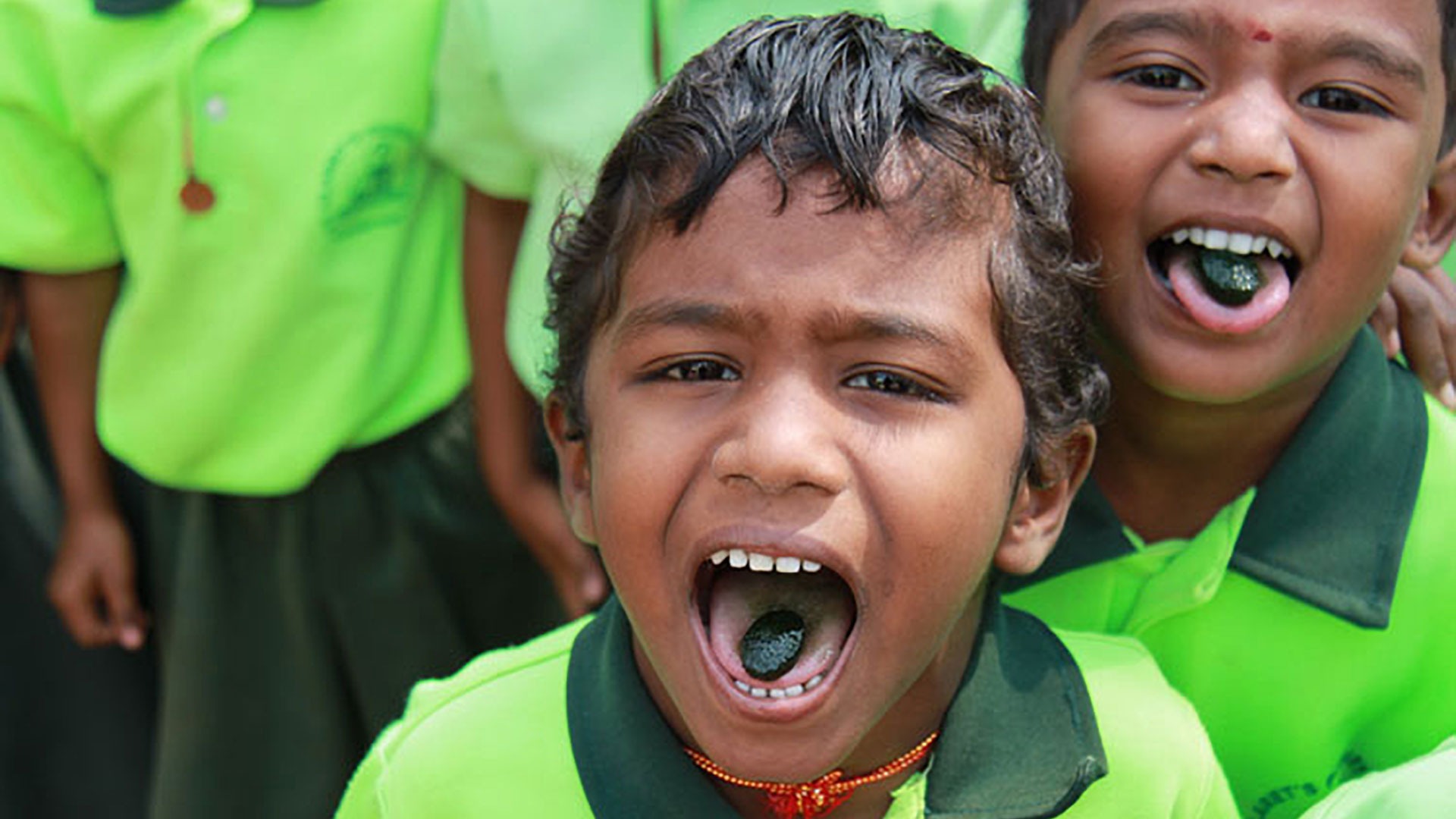

Why Nutrition Matters During Childhood
Childhood is one of the most important stages of life for physical growth, brain development, and immune system maturation.
During these early years, children require a consistent supply of essential nutrients to support:
Brain development
Healthy growth
Strong bones
Immune function
Learning and concentration
Energy production
However, many children today face nutritional challenges due to picky eating habits, processed foods, busy lifestyles, and nutrient-poor diets.
This is why many parents are looking for safe and natural ways to support their child's nutrition. One supplement receiving growing attention is Spirulina.
What Is Spirulina?
Spirulina is a blue-green microalgae widely recognized as one of the most nutrient-dense foods in the world.
It contains:
High-quality protein
Iron
Essential amino acids
Beta-carotene
B vitamins
Magnesium
Antioxidants
Essential minerals
Because of its exceptional nutrient content, Spirulina is increasingly being included in nutrition programs and wellness routines around the world.
How Spirulina May Support Child Development
1. Supports Brain Development and Learning
A child's brain undergoes rapid growth during the early years of life.
Nutrients such as iron, amino acids, and B vitamins are essential for:
Learning
Memory
Concentration
Cognitive development
Spirulina naturally contains several nutrients involved in normal brain function and neurological development.
Adequate nutrition during childhood helps support a child's ability to learn, focus, and reach developmental milestones.
2. Helps Maintain Healthy Iron Levels
Iron deficiency remains one of the most common nutritional concerns among children worldwide.
Low iron levels may affect:
Energy levels
Attention span
Learning ability
Physical development
Spirulina contains naturally occurring iron that may help support healthy iron intake as part of a balanced diet.
Maintaining healthy iron levels is important for both physical and cognitive development.
3. Supports Healthy Growth
Growing children require adequate protein and essential nutrients to build muscles, tissues, and organs.
Spirulina contains approximately 60–70% protein by dry weight and provides essential amino acids that contribute to normal growth and development.
Its nutrient density makes it particularly attractive for parents looking to improve overall nutritional intake.
4. Promotes Strong Immune Function
Children are frequently exposed to new environments, making immune support an important part of overall health.
Spirulina contains antioxidants and nutrients that help support:
Normal immune function
Healthy inflammatory responses
Overall wellness
A well-nourished immune system helps children stay active, energetic, and resilient.
5. Supports Eye Health and Vision Development
Spirulina contains beta-carotene, a natural precursor to Vitamin A.
Vitamin A plays an important role in:
Healthy vision
Eye development
Immune function
Growth processes
Including nutrient-rich foods that support healthy vision is an important part of childhood nutrition.
Spirulina for Picky Eaters
Many parents struggle to ensure their children consume enough vegetables, proteins, and nutrient-rich foods.
Because Spirulina contains a concentrated source of nutrients in small amounts, it can be incorporated into:
Smoothies
Yogurt
Fruit juices
Healthy snacks
Nutritional drinks
This makes it a convenient option for families looking to improve nutrient intake.
Additional Benefits of Spirulina for Children
Supports Daily Energy
Its combination of protein, iron, and vitamins helps support healthy energy production.
Supports Healthy Bones
Spirulina contains minerals that contribute to bone development and growth.
Supports Overall Wellness
Its nutrient-rich composition helps fill nutritional gaps that may occur in modern diets.
Frequently Asked Questions
Is Spirulina safe for children?
High-quality Spirulina is generally considered safe when used appropriately. Parents should consult a healthcare professional before introducing any supplement to a child's diet.
Can children take Spirulina every day?
Daily use may be appropriate depending on the child's age, nutritional needs, and healthcare provider's recommendations.
What are the benefits of Spirulina for children?
Spirulina may help support healthy growth, brain development, immunity, iron intake, and overall nutrition.
Is Spirulina good for picky eaters?
Because Spirulina provides concentrated nutrition in small servings, it may be a useful addition to a balanced diet for picky eaters.
Final Thoughts
Every parent wants to provide the best possible foundation for their child's growth and future well-being.
Spirulina offers a unique combination of protein, iron, antioxidants, vitamins, and essential nutrients that may help support healthy development, cognitive function, immune health, and overall wellness.
While no supplement can replace a balanced diet, Spirulina can be a valuable nutritional addition for families seeking natural ways to support their children's health.
Disclaimer
This article is intended for educational purposes only and should not be considered medical advice. Parents should consult a qualified healthcare professional before introducing any supplement into a child's diet.
Take the next step towards everyday wellness with SpiraVeda.
support@spiraveda.com
+91 78947 29980
SpiraVeda
HIG-277, K5, Lane 6,
Kalinga Vihar, Bhubaneswar. Pin : 751019
Newsletter sign-up
© 2026 SpiraVeda is a brand owned and marketed by Albiotechnium Private Limited